As a major player in the “Extended Producer Responsibility (EPR)” sectors, the eco-organization Ecomaison reports positive results for its 2025 fiscal year. Amid a complex economic and political landscape, this multi-sector eco-organization has demonstrated its resilience with rising collection volumes and a higher recycling rate. Beyond its regulatory obligations, Ecomaison reaffirms its mission to promote an effective circular economy by actively supporting social reuse on the one hand, and the incorporation of recycled materials tailored to manufacturers’ needs on the other.
A process of collection and recycling
The 2025 fiscal year unfolded against the backdrop of a turbulent economic environment, marked by inflation and numerous challenges for eco-organizations (the construction sector moratorium, the launch of the commercial packaging sector, EPR governance, etc.). Nevertheless, Ecomaison demonstrated operational resilience, managing nearly 2 million metric tons (1.97 Mt) of items and materials. This performance continues to meet high standards, with a recovery rate of 98%, comprising reuse (5%), material recycling (46%), and energy recovery (47%).
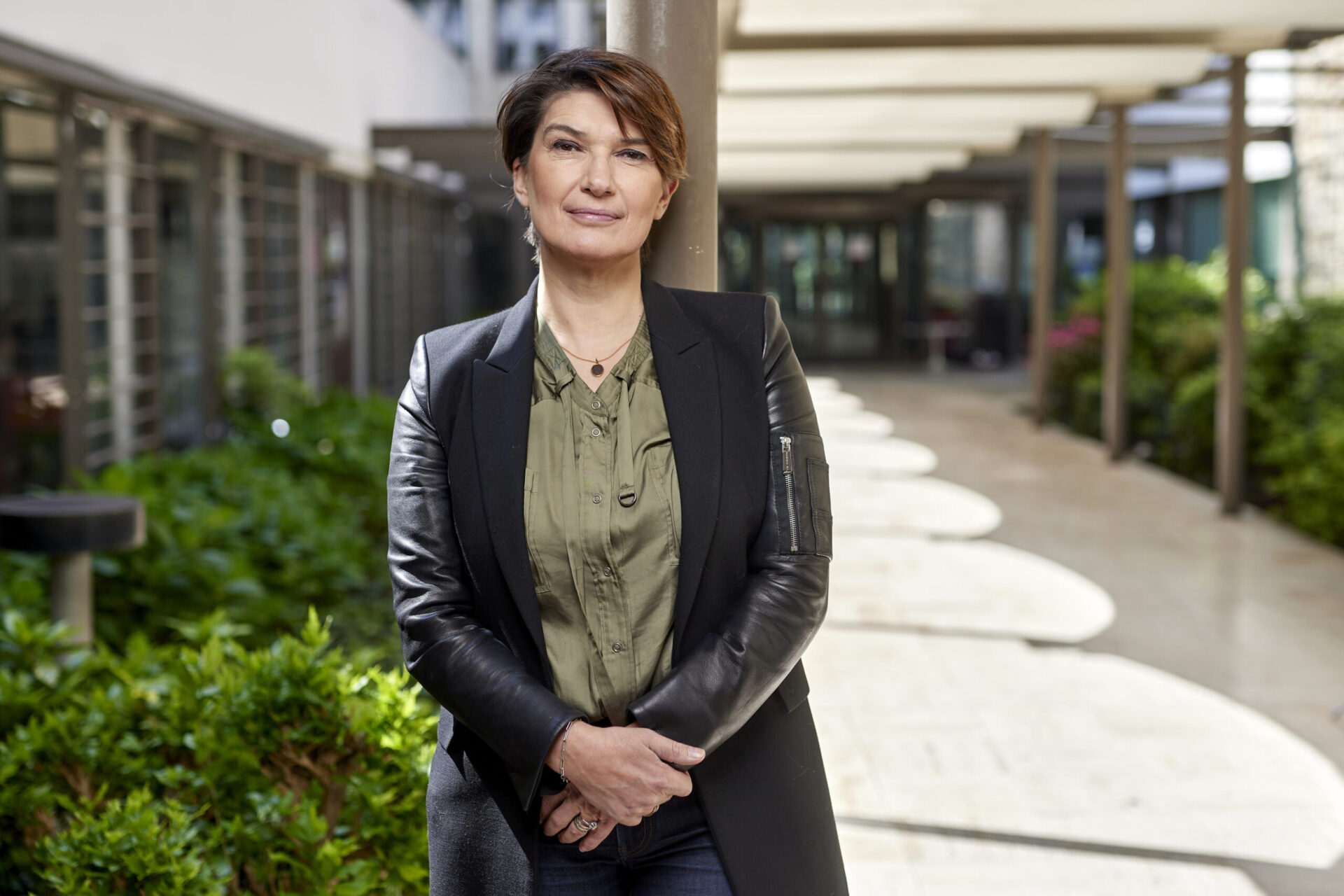
“Behind the nearly 2 million metric tons collected in 2025 lies a simple goal: to turn waste into resources. For several years now, Ecomaison has been investing in the development of French recycling networks capable of providing its members with high-quality recycled materials. This ability to bridge the gap between collection, recycling, and incorporation into new products is what sets Ecomaison apart. ” Dominique Mignon, President of Ecomaison
Reuse: Building Capacity and Developing New Leverage Points
Reuse remains one of Ecomaison’s strategic pillars. In 2025, the eco-organization strengthened its commitment to the Social and Solidarity Economy, helping to fund 155 projects and support the activities of 740 partner organizations throughout the country. This support is essential for developing reuse capacity, promoting social integration, and giving a second life to an ever-increasing number of items and materials.
The year 2025 was also marked by the rise of rebate programs, which promote the reuse of collected products and strengthen ties between retailers, manufacturers, and reuse organizations.
Enhanced support for members
The year 2025 marks an important milestone in Ecomaison’s relationship with its 14,244 member companies (representing 18,225 contracts, up 16%). Over the course of the year, these companies brought 5.02 Mt of products to the French market, generating €464.5 M in eco-fees to fund operational costs (logistics, reuse, processing), financial support for collection partners, and budgets for innovation and awareness campaigns.
This commitment to its members is also reflected in its uncompromising defense of fair competition. The eco-organization has taken action against “free riders” (illegal operators who do not pay the eco-contribution). This increased oversight has made it possible to bring non-compliant companies into compliance, generating €10 million in back payments and thereby ensuring fair competition for manufacturers and distributors who comply with regulations by funding the end-of-life management of the products they place on the market.
Furthermore, to accurately represent these market players and effectively manage its four certification programs (Furnishings, Construction, Home Improvement and Gardening, and Games and Toys), Ecomaison has revised its governance structure to better balance the influence of each sector in decision-making, notably through a streamlined board of directors and strengthened sector-specific committees.
Building the supply chains of tomorrow and establishing the “Made in France” recycled products sector
While regulatory compliance remains the foundation of its work, Ecomaison aims to support its members in going beyond that and fulfilling their desire to help shape the markets of tomorrow. The eco-organization’s ambition is to have a sustainable impact on the industry by offering an ever-increasing number of concrete solutions for incorporating recycled materials.
This commitment takes shape through the development of tools, such as the new Ecomaison platform for showcasing recycled materials. It is also reflected in the validation of new industrial processes—particularly for MDF wood panels—and the opening of an eighth mattress recycling center in La Cavalerie (Aveyron). All of these initiatives contribute directly to the development of a high-performing and self-sufficient “recycled made in France” sector .