The French Federation of Toy and Childcare Industries (FFJP) and the Federation of Specialty Retailers of Toys and Children’s Products (FCJPE), together with Ecomaison—which oversees the second life of toys—are taking stock of the transformation of their sector. Manufacturers and distributors, together with their eco-organization, are collectively accelerating the environmental transition of toys, from their manufacture through to the end of their life cycle.
Established in 2022, Europe’s first industry chain dedicated to the reuse and recycling of games and toys is now funded by 3,500 producers (manufacturers and distributors) in the sector. With an annual budget of 35 million euros, the sector—whose producers have entrusted management to the eco-organization Ecomaison— continues to prove its worth by bringing together the efforts and initiatives of stakeholders committed to the circular economy.
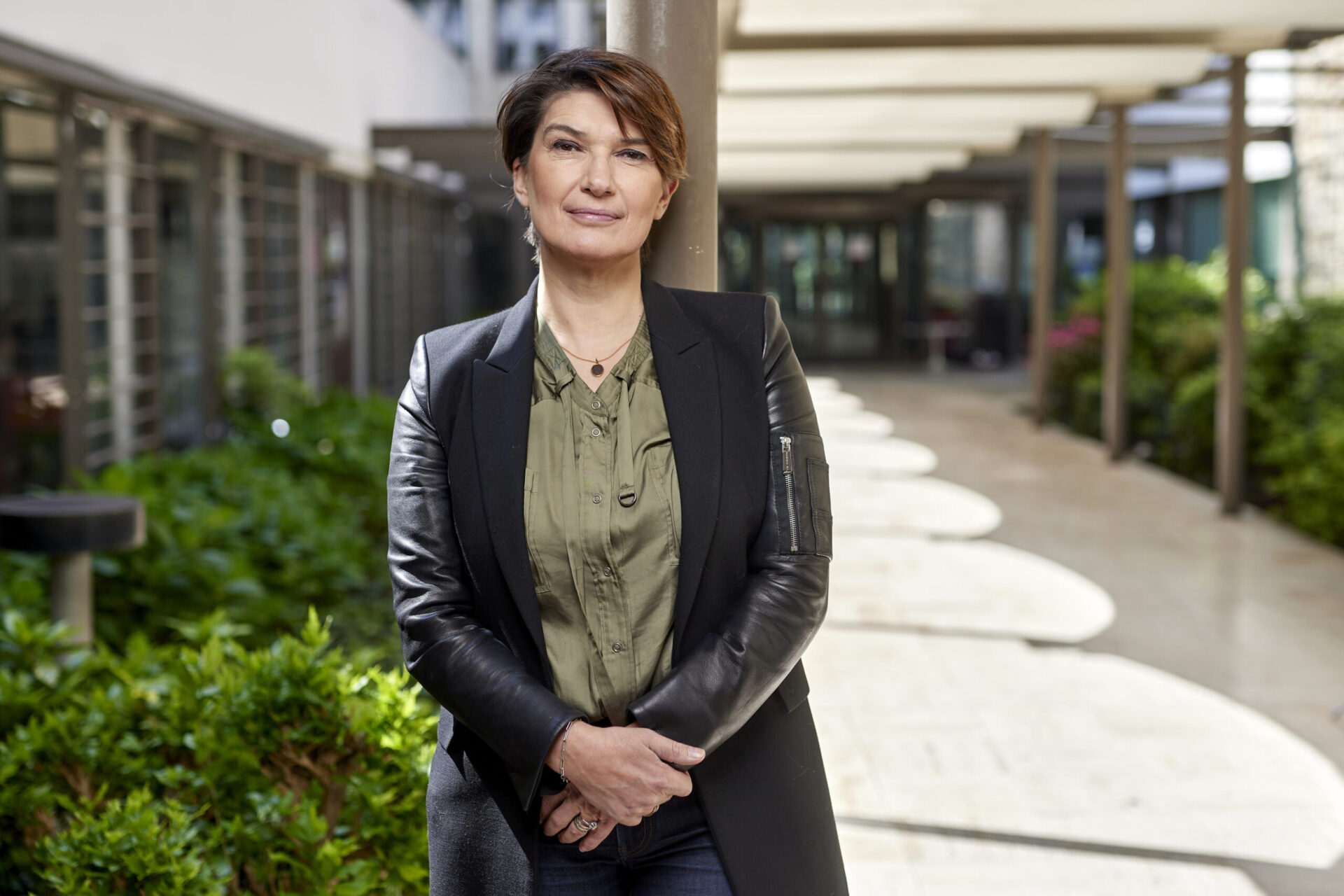
“Our priority is to bring together initiatives and unite all stakeholders in the toy industry. By involving both manufacturers and retailers in the development of reuse and recycling programs, we are promoting the circular economy—and in particular, the use of recycled plastics as a sustainable alternative to virgin materials.” says Dominique Mignon, President of Ecomaison.
Improvements in recyclability and the use of recycled materials in the manufacture of new toys, along with the availability of replacement parts and the growth of reuse initiatives, demonstrate that eco-design and extending the lifespan of toys are already a reality in France.
Eco-design and recycled materials
Under the upcoming Extended Producer Responsibility (EPR) scheme for commercial packaging, accredited eco-organizations will be required to To reduce the environmental impact from the very design stage of their products, manufacturers have already taken action, such as Smoby, which now incorporates approximately 50% recycled plastic across all its product lines, and Ravensburger puzzles, which are made from at least 70% recycled cardboard.
In another area, manufacturers rely on life-cycle assessments to identify and quantify environmental impacts (greenhouse gas emissions and resource consumption) in order to reduce them. For example, VTech has reduced its greenhouse gas emissions by 12.5% and its water consumption by 28.6% between 2020 and 2025.
Finally, other initiatives aimed at replacing plastic packaging with recyclable materials, eliminating unnecessary plastic overpackaging, and optimizing packaging sizes are also part of the concrete actions manufacturers are taking to promote sustainable resource management. These efforts have enabled Ravensburger, for example, to reduce its cardboard consumption by 220 tons and its plastic consumption by 36 tons per year.
“Beyond funding Extended Producer Responsibility (EPR), manufacturers of toys and baby care products are deeply committed to environmental issues, whether in terms of reusing their waste, eco-designing their products, or optimizing packaging sizes. A major challenge for the industry is to reconcile these environmental requirements with the sector’s specific safety requirements and to strike a balance between them.” explains Florent Leroux, President of the FFJP.
Eco-design and repairability to extend the lifespan of products
To promote the sustainability of toys, repairability is becoming the norm. Today, more than 120 manufacturers and retailers provide replacement parts to consumers.
Brands such as Thermobaby, Soulet, and Babymoov are taking action, while Smoby offers 17,000 replacement parts available 5 to 10 years after purchase. On the retailer side, King Jouet, for example, offers an online service featuring more than 2,000 replacement parts. Private-label brands are eco-designed and made from sustainable materials. Reduced packaging, FSC-certified wood, and kraft bags instead of plastic windows—private labels are innovating to reduce their carbon footprint. At Jouéclub, a sourcing charter guides buyers’ choices to prioritize purchases made in Europe. At Sajou, the entire “Wydika” line is conceived and designed in France, near Tours.
To instill a habit of repairing things from a young age, manufacturers are teaming up withEcomaison to offer hands-on activities through the “Toy Rescue Missions,” which will be held again during the spring break of 2026. Last year, this initiative enabled more than 1,000 children and 2,000 parents to don their “superhero” capes to learn how to repair items themselves or seek assistance from professionals.
The Rise of the Secondhand Market and Support for the Social Economy
The secondhand market is booming; according to the 4th CircanaEcomaison Barometer, it has doubled since 2021 and is projected to reach 7.3% of the overall toy market by 2025. Within this dynamic, nonprofit organizations play a significant role, capturing 8% of the market share. To support these Social and Solidarity Economy organizations, the industry has established a fund dedicated to reuse, providing them with over €2 million in financial support in 2025. Beyond financial aid, the sustainability of solidarity-based reuse depends onaccess to a high-quality supply. This is why the sector has established 1,000 partnerships directly linking collection points—particularly at retailers—to local organizations.
Thanks to this collaboration, 60% of the games and toys collected in good condition were able to be reused.
To meet this demand and respond to market expectations, retailers are setting up permanent sections dedicated to secondhand goods in their stores, such as the “King Okaz” concept at King Jouet, “Troc O Joué” at JouéClub, and the “IDTROC” corners at Oxybul.
While the idea may be appealing, manufacturers and retailers stress that caution is still advised when buying secondhand items from other individuals[1], where product safety is not subject to regulatory oversight, and they stress the importance of prioritizing purchases from professional retailers and non-profit organizations.
A comprehensive network for collection, reuse, and recycling
The importance of proper sorting remains crucial, as a Crédoc study conducted in 2025 for Ecomaison highlights that 67% of the toys that French people discard are still in perfect working order, and that 30% of respondents had discarded a toy in the past 12 months. To capture these volumes and direct them toward reuse or recycling, Ecomaison has established a network of over 6,000 collection points nationwide: 1,200 retailers, 3,400 public recycling centers, 700 nonprofit organizations, 340 schools, and 600 seasonal collection points.
Retailers play a central role in this collection network by providing information to consumers and installing collection points. This impact is particularly evident during the “Great Toy Drive, ” held every November, which in 2025 led to a doubling of the volume of toys collected at retail locations.
“Specialty retailers of toys and children’s products have been a driving force behind the development of the Toy EPR program. Today, these specialty retailers form one of the cornerstones of the collection effort, thanks to the mobilization of all 900 of their stores. We are constantly going further in raising awareness among our customers through dedicated campaigns that encourage them to choose reuse. More broadly, our retailers are expanding their innovative initiatives—both socially and environmentally—to provide a meaningful response to the legitimate concerns of their customers, who are seeking more responsible consumption patterns ,” says Philippe Gueydon, co-chair of the FCJPE.
In 2025, the industry processed a total of 40,000 tons of games and toys. While priority is given to reuse, the development of recycling activities remains a major challenge for the sector. With 330 sorting and recycling centers operating within the toys and games sector, Ecomaison supportsinnovation to encourage the reuse of materials, particularly plastics, in the manufacture of new products.
A CLOSER LOOK AT THE “TOY RESCUE MISSION 2026”
Join us in Lyon Part Dieu on April 17 and 18 and in Paris La Défense on April 24 and 25, 2026. Four hands-on days for children and their families to learn how to repair, reuse, and recycle their games and toys.
- The "Repair Everything" Mission: a hands-on, fun workshop designed to help participants develop a repair mindset by working with and fixing items themselves—such as a workbench, a balance bike, and a garden slide—using the spare parts provided.
- The Recup’Jouets Mission: an upcycling workshop where you can learn how to give toys a new lease on life.
- The Recycling Challenge: an interactive game to learn the right way to sort waste and find out exactly which bin to put each used item in.
Press contacts:
- FFJP: Natalie Jolly – [email protected] – 06 07 76 32 23 / Flora Garcia, Communications Manager – 01 53 43 09 17 – [email protected]
- FCJPE: Émilie Sanson – [email protected] – 06 22 29 65 32
- Ecomaison: Mélissa Bire – 650-02-1638 / Karène Arfaoui – 630-74-7023 – [email protected]
About the FFJP: As the official representative of manufacturers for 140 years before numerous national and international institutions, the French Federation of Toy and Baby Care Industries supports and advises its members in the areas of product safety, quality, and environmental standards, as well as legal, social, and communications matters. It brings together more than 80 toy and baby care product manufacturers operating in France. FFJP members account for 75% of the sector’s revenue. With a strong local presence throughout the country, they include micro-enterprises, small and medium-sized enterprises (SMEs), and mid-sized companies—ranging from French manufacturers to representatives of major European and international brands. As a socially responsible federation, the FFJP actively participates in public debates on topics such as gender diversity, sustainable development, and family policy. The FFJP is chaired by Florent Leroux, CEO of Ravensburger France. Its Managing Director is Christophe Drevet. For more information, visit , www.fjp.fr, and , and follow us on LinkedIn (@fjp).
About the FCJPE: The FCJPE brings together specialists in the toy retail sector in France, including company-owned stores, franchise networks, cooperative networks, and independent retailers. Its members include Jouéclub, King Jouet, La Grande Récré, Jouets Sajou,
Micromania, Oxybul, Disney Store, Aubert, Autour de bébé, Bébé 9, and Orchestra, representing 2,000 stores and 20,000 jobs. The FCJPE is co-chaired by Philippe GUEYDON, CEO of King Jouet, and Jacques Baudoz, CEO of the Jouéclub group. For more information, visit www.fcjpe.com