Donate or recycle: how do you choose?
Ecomaison, which organizes the collection, sorting, reuse and recycling of all household objects and materials, can help you findthe right place to ensure that your items are taken back and find their way to a new life.
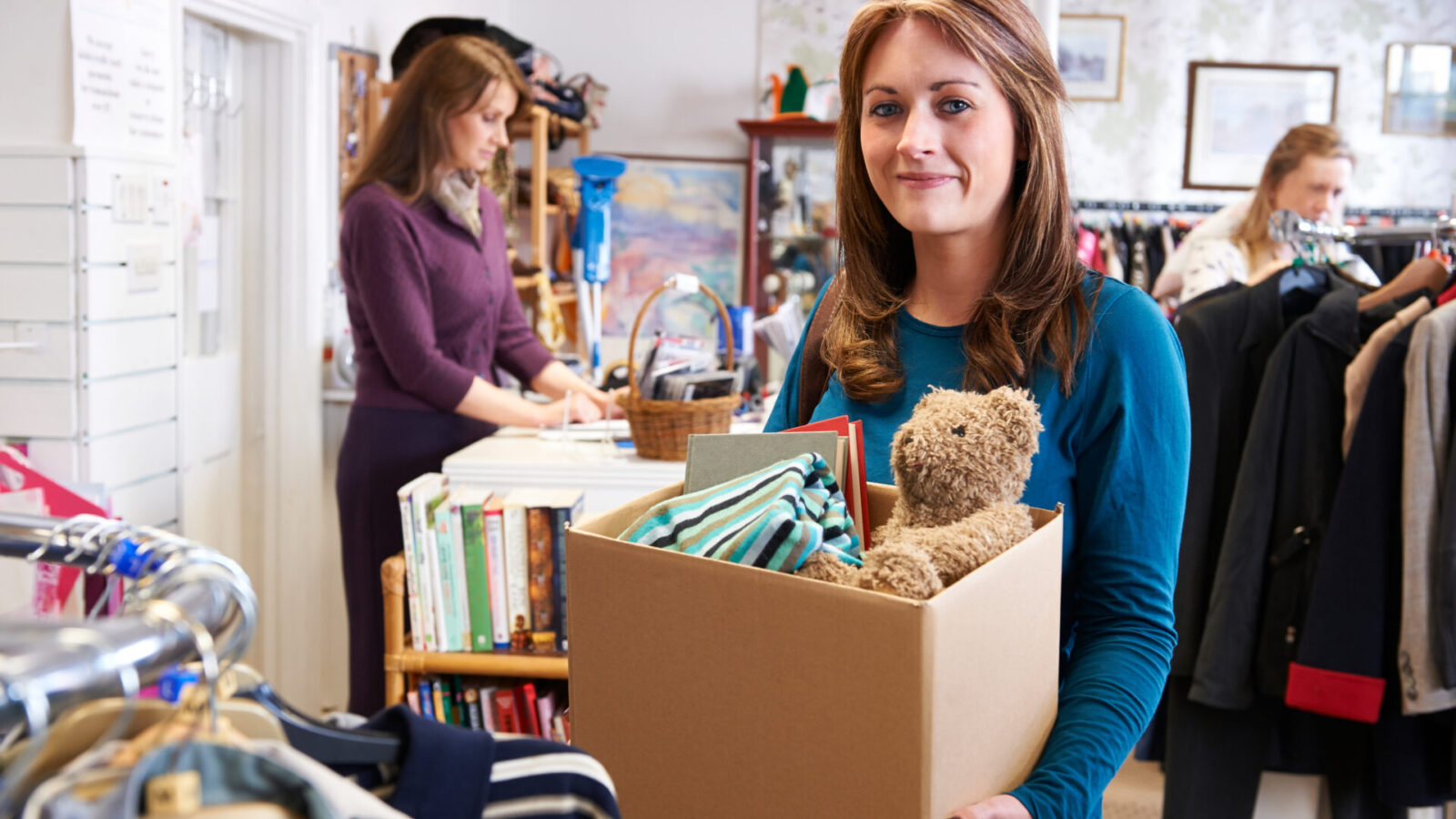
Make the right choice for your used goods
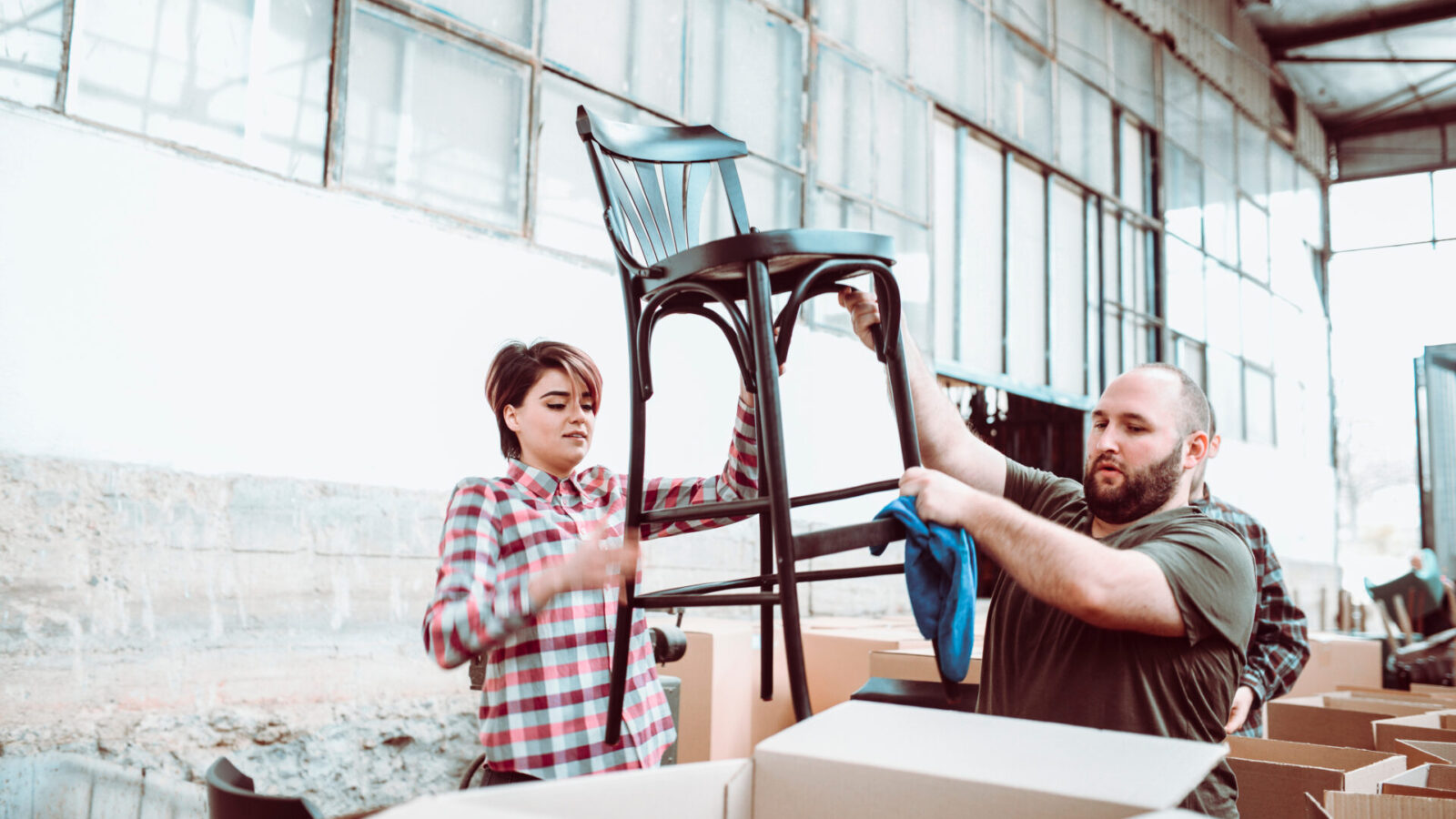
When it's time to part with an object you no longer need, are you hesitating between giving it away or recycling it?
This is an excellent question, since it determines the new use to which your object will be put. Ecomaison can help you make the right choice and show you the nearest collection points.
You've outgrown your object, but it's still in good condition?
- Don't hesitate to drop it off carefully at one of our partner associations or at one of our solidarity collection points dedicated to reuse. It could be of service to someone else. And by extending its life, you're reducing its environmental footprint. Be careful: only give away what is functional and not broken.
- Otherwise, leave the decision to us!
When you drop off your used item at an Ecomaison collection point, you can rest assured that it will follow the right path. If it can be repaired, we'll direct it to our repair and reuse partners. Finally, if your object is too damaged and/or beyond repair, it will be sent for recycling.
Key figures
12 000
collection points throughout France
630
partners of the
Social and Solidarity Economy
65 000
tonnes of products re-used per year
3 900
retail chains equipped with collection bins

Have your items repaired
Access the list of certified repairers
Advice and inspiration
-
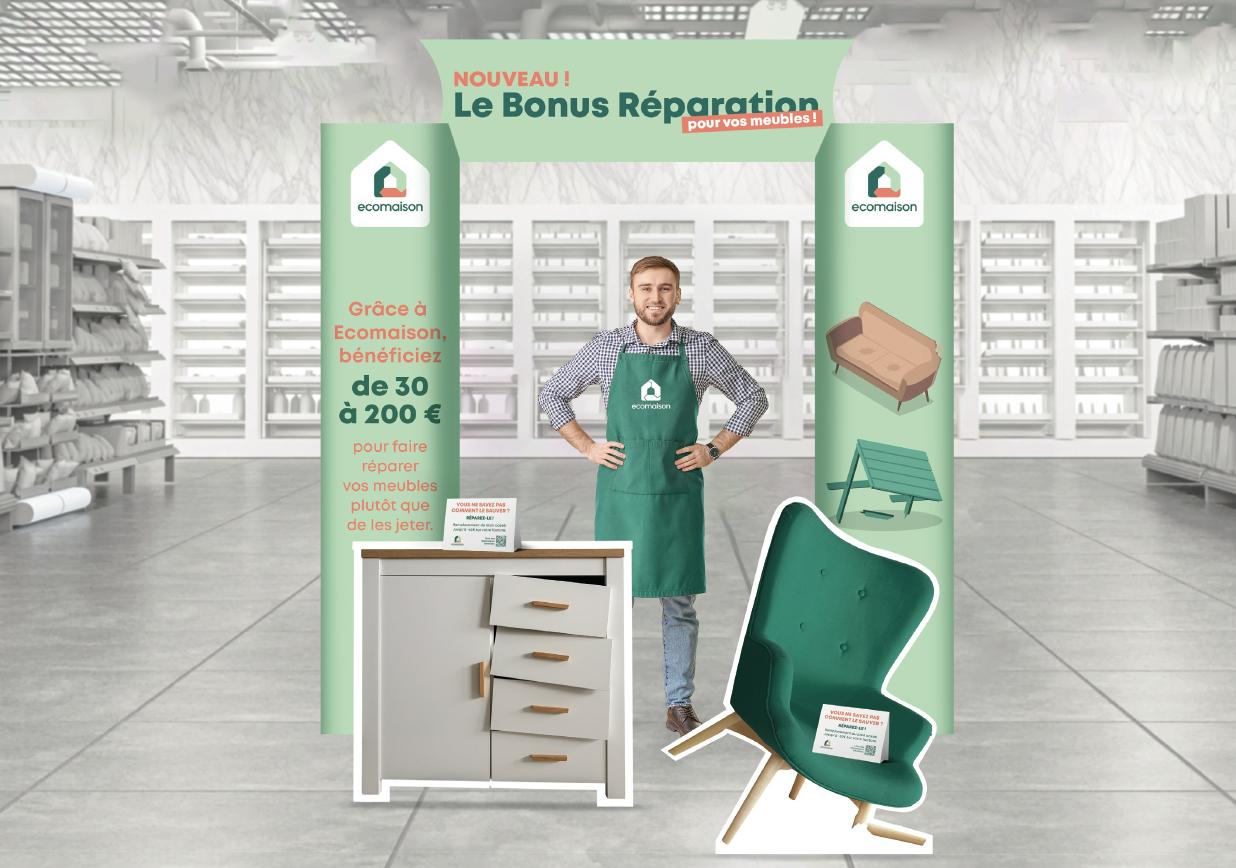
The Repair Bonus is coming to IKEA on October 17
Is your furniture broken? Why not have it repaired? A wobbly chair, a damaged sofa, a broken hinge… First thing to do: check if it can be repaired! Ecomaison offers financial assistance: the Repair Bonus of up to €200 to help you keep using your furniture longer. On Saturday, the 17th…
-

At the beach this summer, become a Toy Rescuer!
From July 6 to August 30, 2026, your old toys can bring joy to others. This summer, Ecomaison invites you to combine vacation with charity. Thanks to a large-scale collection drive organized at 20 beach clubs in partnership with the Journal de Mickey, everyone can give used toys a second life and do their part…
-
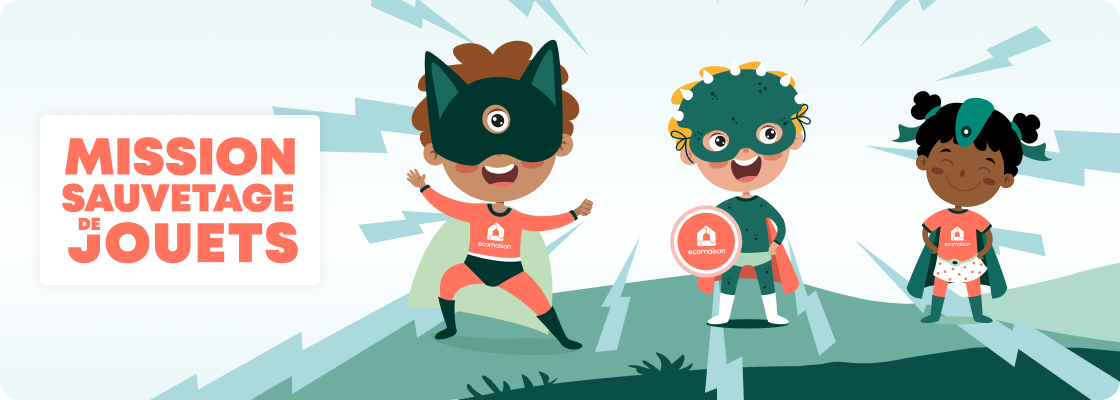
Toy Rescue Mission: Free activities to save them from the trash!
Are your kids ready to become toy superheroes? What should you do with broken or unwanted toys? Should you put them in the recycling bin, the trash can, at a recycling center, or in a drop-off bin at a store? It’s not always easy to know what to do… Good news! To help parents and kids make the right choices…
What is reuse?

Reuse is good for the planet, your wallet, and the community. It helps extend the lifespan of objects by promoting the circular economy. However, it still has room to grow in France. Ecomaison is committed to making it second nature for everyone. Here’s why it’s essential.
Understanding re-use
What is reuse?
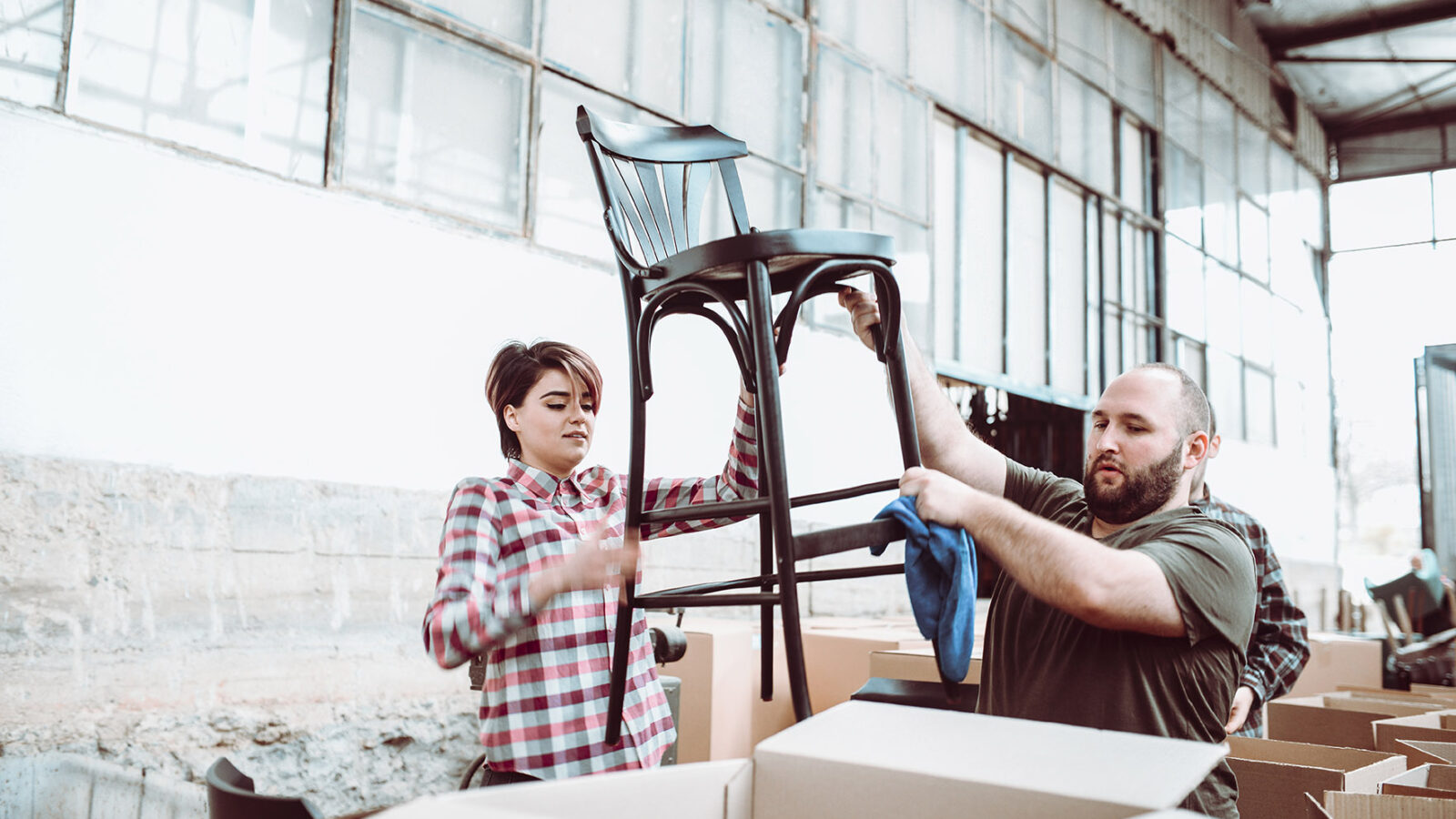
Reuseis the act of using an object—which is not waste—without altering it, for the same purpose for which it was originally designed. An example? You give away or sell a sofa, which will be used as such by its new owner.
What are the differences between reuse and recycling?
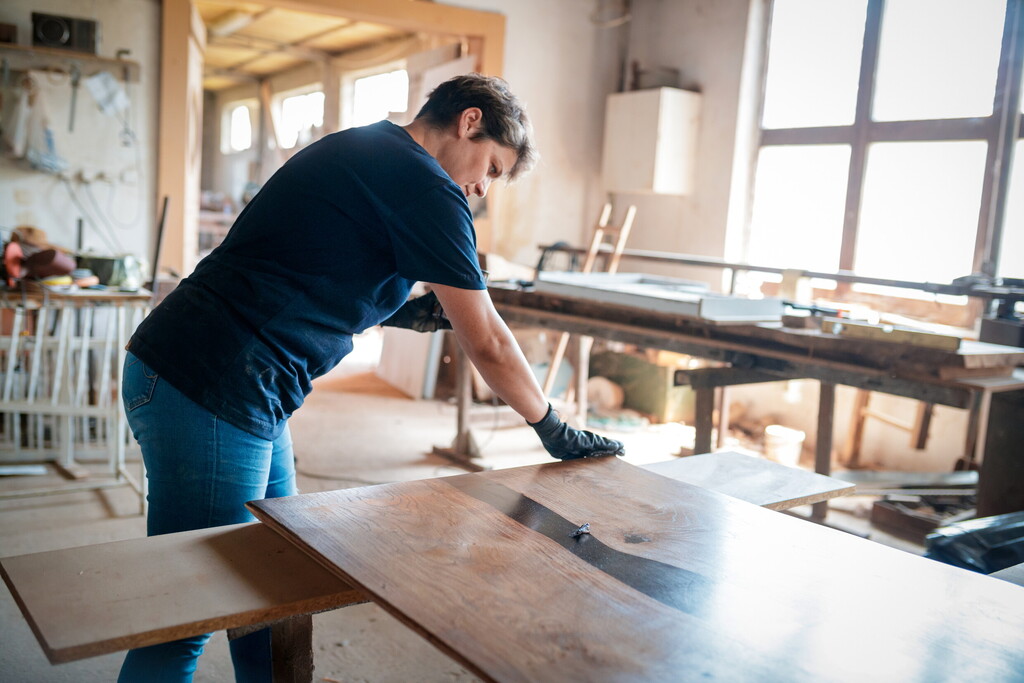
Unlike reuse, repurposing involves taking an object—or part of an object—and modifying it or using it for a purpose other than its original one. An example of repurposing? Making shelves out of the boards from a wardrobe, or turning an old suitcase into a nightstand.
The Challenges and Impact of Reuse
Reuse is the best way to give your items a second life and turn them into more sustainable resources.
Why is reuse so important today?
Reuse is a good thing. It’s good for:
- the environment. It helps prevent waste and conserve natural resources by reducing the production of new materials.
- the economy and society. By extending the useful life of a product, it helps reduce waste management costs for the community. An item donated to an organization in the social and solidarity economy (SSE) can be resold at a fair price while supporting the work of those who reuse them.
- your wallet!
The AGEC Act and Reuse: What You Need to Know
The Anti-Waste Law for a Circular Economy (AGEC) of February 10, 2020, aims to transform our consumption model, develop the circular economy, and reduce waste. Designed to boost reuse, it notably introduces:
the creation of reuse funds, dedicated financing for reuse activities carried out by social economy actors.
a ban on the destruction of unsold non-food items, to encourage donations
the introduction of a take-back requirement for retailers covering a wide range of products, including furniture, toys, DIY and gardening supplies, and building materials and construction products.
Reuse: Everyone’s Responsibility
This affects everyone
- Individuals: We all have items at home that are still in good condition but that we no longer use. Instead of throwing them away, think about reusing them!
- Businesses: Do you usually sort your waste at home? Do the same at work! Armchairs, filing cabinets, office cabinets… Collection and recycling solutions are available for employers (businesses, government agencies, etc.) who want to dispose of their old equipment for reuse or recycling.
- Local governments: Through their financial support for local social and solidarity economy (SSE) organizations, the provision of dedicated reuse spaces at recycling centers, and the provision of facilities for nonprofit organizations, they play a key role in promoting the development of reuse in their communities.
Local players in the reuse sector
Right in your neighborhood, local social economy organizations are driving the reuse sector throughout France:
- Thrift stores, recycling centers, local organizations, and social reintegration programs (such as Emmaus, Restos du cœur, and Secours Populaire) collect, sort, and sometimes repair items, then return them to the market through donations or resale at affordable prices.
And also:
- consignment shops, flea markets, antique dealers, auctioneers
- collaborative platforms, such as Le Bon Coin and Vinted
- donation apps, such as Geev or Donnons.fr
Reuse in Action: Ecomaison’s Role and Initiatives
As an eco-organization, Ecomaison organizes and supports the development of reuse networks in France. The goal is to create momentum and maximize the potential of reuse through:
- Partnerships:We build local connections between our retail members and social economy organizations. On one hand, retailers collect used products throughtheir buyback programs; on the other, organizations gain access to a high-quality, local supply of goods.
- regular calls for proposalstosupport the development of the reuse market in France
- promoting reuse andraising public awareness
- measures toorganize and scale up the flows
- strengthening the network anddeveloping new markets
The good news? This approach to reuse—which is essential for protecting the environment—applies to every item in the home, including building materials!

The furniture industry
Indoor and outdoor furniture, bedding and sleepwear, kitchen countertops, and home textiles such as curtains, rugs, and blinds…

Building products and materials
Slate, ceramic sinks, wooden beams, hardwood floors, tile, woodwork…

Garden DIY projects
Tools, watering cans, wheelbarrows… All products except painting supplies and gas- or electric-powered equipment.

Games and toys
Outdoor toys, dolls, stuffed animals, building blocks, board games, puzzles, cards… All kinds of toys except battery-operated, electric, or electronic toys, which can cause fires at recycling centers and are handled by other recycling organizations.
How to Practice Reuse in Your Daily Life
Are you moving, or do you have plans to redecorate or renovate your home? Are your children growing up or leaving home to start their own families? There are countless reasons to declutter and get rid of items you no longer use. Consider reusing them.
Adopt smart consumption habits
When making purchases:
- Buy products that will last.
- You might also want to consider buying secondhand items.
- Take care of them: have them repaired or fix them yourself—they’ll last longer that way!
- Consider renting, borrowing, lending, and sharing.
When it's time to get rid of your belongings:
- Rule number 1: Give rather than throw away! Donate items that are still usable to a social and solidarity economy (SSE) organization. They can be refurbished and resold at affordable prices, while supporting the work of the organizations that reuse them. A double benefit for the environment and the community! You can also give items to friends and family, and if no one is interested, post an ad on a sharing economy platform.
- Another option: return them to the store. Most retailers offer this option, sometimes in exchange for a store credit.
- As a last resort, take them to a recycling center, preferably one that has a reuse area. This will give them another chance at a new life.
Our tips
Furnishings
- Furniture and home textiles: Give them a second life! Drop off unused items and textiles at a collection point, or have your store take them back when your furniture is delivered.
- Bedding: Only donatemattresses, comforters, and pillows to charities if they are in good condition. Otherwise, return them to the store.
Building products and construction materials
- Are you replacing carpet, updating your bathroom fixtures, or tearing down a wall? Think about reusing materials right from the start of the project! Separate items that can be reused from those that need to go to the recycling center, and carefully set aside the reusable items. This will give them a chance to be reused.
- Reach out to specialized material banks to collect your donations. Some organizations (such as Emmaus communities and resource centers) are also looking for secondhand building materials.
Garden DIY Projects
- Go through your toolbox and get rid of duplicates and items you never use. These items can easily be refurbished for reuse. Sometimes a simple sharpening is all it takes.
- Take your items—even damaged ones—to reuse and recycling centers. Some items, such as a watering can, may be of interest to people who frequent these places in search of items to recycle and repurpose creatively.
Games and toys
- Think about repairing it yourself before throwing it away: toy manufacturers are making replacement parts available for their products to extend their lifespan and keep the fun going.
- Are there a few missing pieces in your puzzle or cards missing from your favorite board game? Don’t throw them in the recycling bin! Give them to social enterprise organizations: they can collect the pieces to put together complete games.
Donate and Repair: Solutions Near You

Donate or recycle
Find out where the drop-off locations are.
You can use our geolocation map to find SSE partners near you by clicking on the "Donation & reuse" filter that appears on the map.
Have your items repaired
Access the list of certified repairers
You can also browse by product type to find our partners who can repair your items. The list keeps growing!
Trade-in: how does it work?
Would you like to part with an item you no longer need? Consider our free in-store trade-in service.
Discover our solutions hereMandatory forretailers selling furniture, bedding, toys, DIY and gardening items, as well as building products and materials, this measure stems from the French Anti-Waste for a Circular Economy Act (AGEC).
Before returning your items to the store, there are a few rules you need to know. Ecomaison summarizes them for you.
The first thing to do is get informed!
As part of the take-back obligation, your retailers must indicate the solutions they offer to take back the items you wish to dispose of. And for the smallest items, such as games, toys, DIY and garden tools, stores can provide suitable, easy-to-locate containers on site.
Find collection points near you
You can use our geolocation map to find the social economy partners closest to you by clicking on the "Donation & reuse" filter that appears on the map.
Donate or recycle
Discover our collection points
In-store, on delivery or online: trade-ins are the order of the day



For your old mattress, trade it in!
For your old mattress, trade it in!
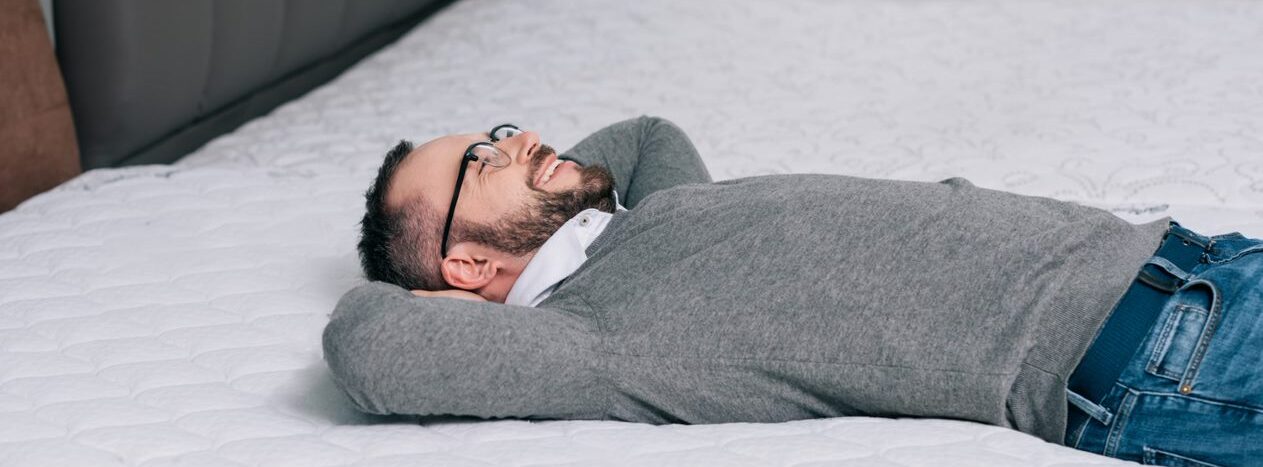
Every year, around 5 million mattresses are sold in France. Their average lifespan is 10 years. Getting rid of your old mattress is a good idea, but not just any old way!
By dropping it off at a suitable collection point for recycling, you're helping to reduce its environmental impact. Ecomaison offers you several easy and free solutions for taking back your mattress.
Donate or recycle
Find collection points near you