Since 2020, the IFE program has enabled members to test innovative eco-design solutions from its innovation catalog under real-world conditions. This guide draws on that experience to provide a proven step-by-step method, key considerations, and best practices for embarking on an eco-design initiative or launching an R&D pilot project.
The Essentials
- The eco-design guide, available on our website, summarizes the IFE program’s six years of learning.
- This guide is based on 83 pilot projects carried out by Ecomaison members using solutions available in the eco-design innovations catalog.
- It is intended for all companies, regardless of their level of maturity in eco-design.
Six-Year Results of the Innovation for Ecodesign (IFE) Program
Since 2020, Ecomaison’s “Innovation for Ecodesign” program has been connecting manufacturers, distributors, and innovators. The results:
- 114 innovative solutions listed in the catalog and presented during the Innovation Days;
- 83 pilot projects carried out with Ecomaison members, ranging from sourcing to laboratory testing, through prototyping, and on to industrial-scale production;
- Four pilot projects are ready for commercialization, such as a bathroom cabinet featuring a countertop made from shell waste, which has been on the market since February 2025.
This guide provides all members with a field-tested method, including best practices and key considerations to keep in mind. The teams from the Purchasing and Innovation Department presented it during a workshop at the 2026 Innovation Days.
Why has eco-design become a strategic necessity?
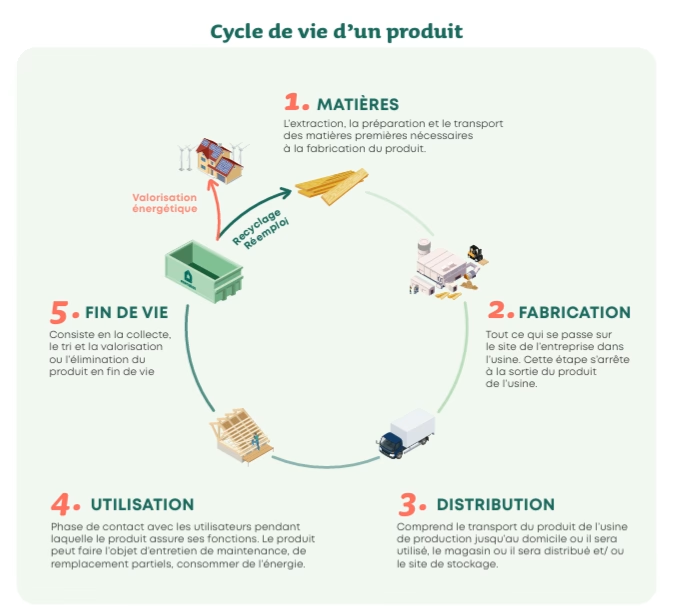
Eco-design is no longer an option for companies that bring products or services to market. The bulk of environmental impacts is determined at the design stage, when materials, processes, and uses are selected. Yet a gap persists between intention and implementation: eco-design disrupts the balance between cost and performance, and between innovation and risk. A pilot project makes it possible to validate a solution on a small scale, evaluate its results, and draw lessons from it in order to prepare for scaling it up under controlled conditions.

“The pilot project makes it possible to move from intention to action without taking excessive risks. By testing a solution on a small scale, a company can measure its concrete results before rolling it out. The pilot projects conducted since 2020 have taught us that this step changes the way we approach innovation.” Ambre Le Ferrec, Head of Innovation, Research, and Development, Wood and Wood Products Expertise
A guide designed for all levels of expertise in eco-design
- A clear introduction to eco-design, with precise definitions and an explanation of how it relates to the circular economy.
- An overview of Ecomaison’s tools: the eco-design innovations catalog (espace-innovation.ecomaison.com), the recycled materials platform, Innovation Days, thematic working groups, and regular calls for projects.
- A step-by-step guide to launching a pilot project within your company: appoint a project manager, clarify objectives, define milestones and metrics… Two case studies illustrate this approach.
- Innovation fact sheets. Each fact sheet presents a category of solutions from the eco-design innovation catalog, detailing not only its various applications and technical characteristics but also the benefits and points to consider identified during pilot projects. The purpose of these fact sheets is to help you save time when getting started with these innovations and launching tests.
This guide is a valuable resource that summarizes six years of experimentation. Use it and share it!
📩 Have a question about eco-design? Contact the team: [email protected]