Triman Logo: Requirements and Guidelines for Use
You’re probably familiar with the TRIMAN label, right? This logo must be displayed on products to inform consumers about sorting guidelines. The Anti-Waste Law for a Circular Economy (AGEC) requires manufacturers to display detailed sorting guidelines for each new product that is part of a recycling program. The benefit? When materials are sorted more effectively, the products they’re made of are recycled more efficiently! Ecomaison explains it all.

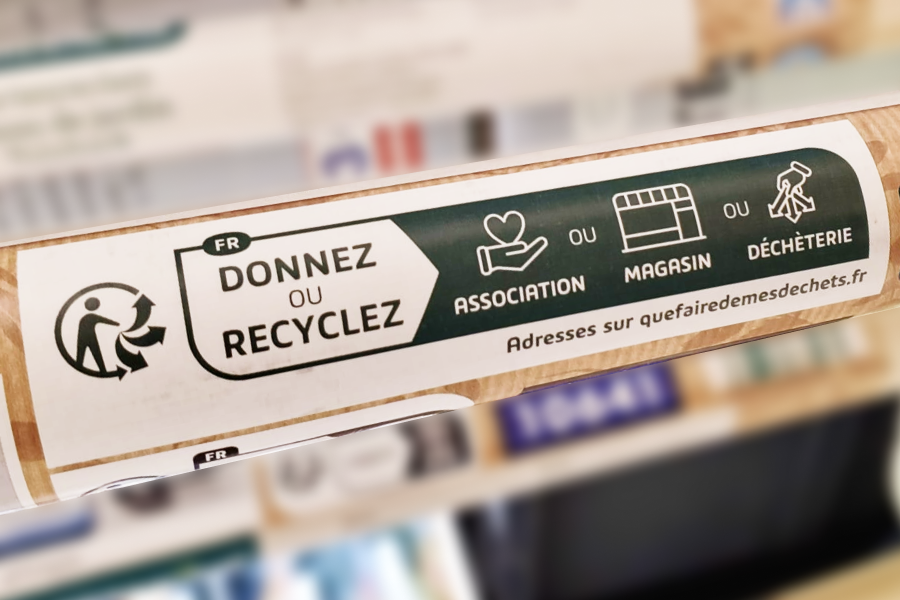
Which products are concerned?
The obligation to display the TRIMAN logo has existed since 2015 and concerns all products subject to a recycling channel (extended producer responsibility).
Recently, the TRIMAN logo has been supplemented by sorting instructions to provide consumers with clearer, more practical and detailed information on how to easily sort their waste.
- Properly sorted, used products can be given a second life.
- Products in good condition can be donated to a social economy association.
To find out more, download our dedicated documentation:

Get TRIMAN signage
The signage includes the TRIMAN guide and all the appropriate logos in different colors and formats.
For your Furnishing products :
For your DIY / Garden and Toys products :
For your category 1 (inert) and category 2 (non-inert) building-related products and materials:
Composition of TRIMAN signage
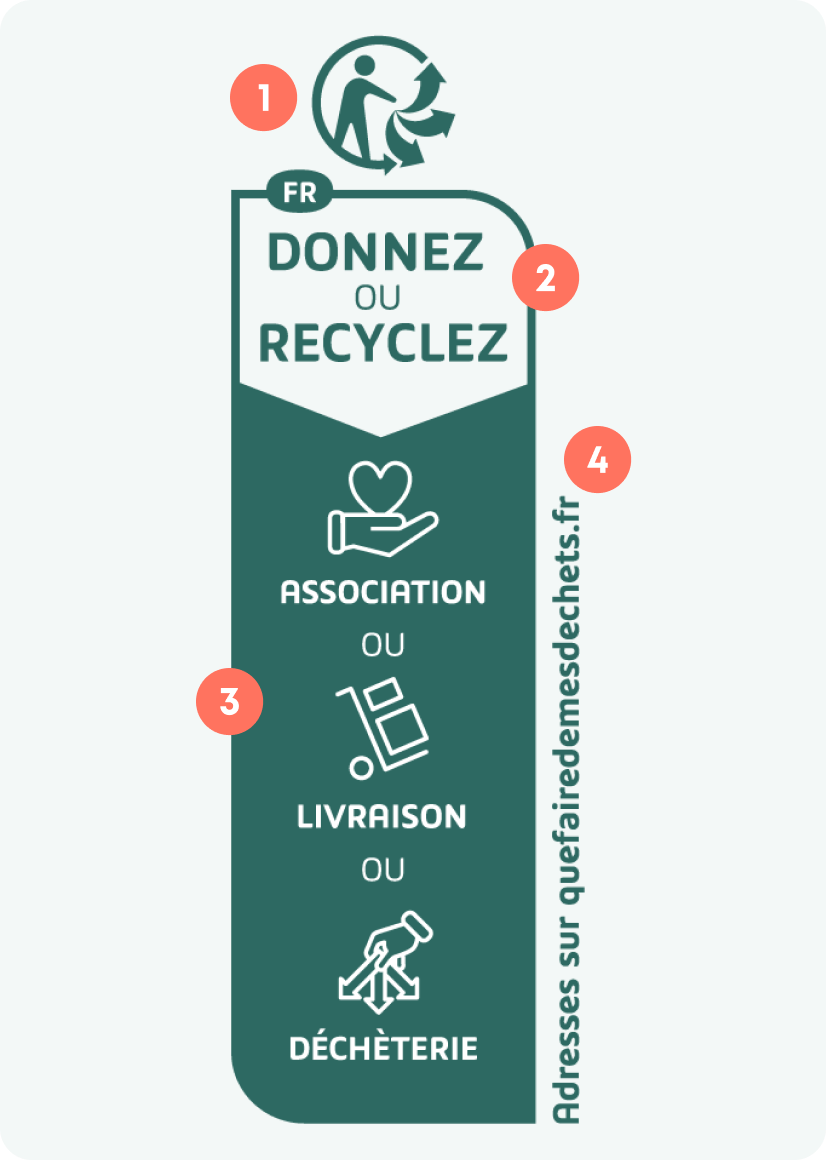
TRIMAN signage consists of 4 main elements:

TRIMAN logo
Mandatory and inseparable
from the marking.

Sorting instructions
It's your job to show consumers how to give used products a second life.

Message
The message must direct consumers towards the 2 possibilities for disposing of their products: donation or recycling.

What to do with my waste
The ADEME website quefairedemesdéchets presents sorting solutions and the destination of each type of waste. This information is compulsory.
Where should the TRIMAN logo be placed?
It's simple: as close to the product as possible!
Even if this information is available on your website, you need to make sure that it's also in the hands of the consumer, as soon as they make their purchase or delivery.
The aim: to make this signage practical and encourage action.
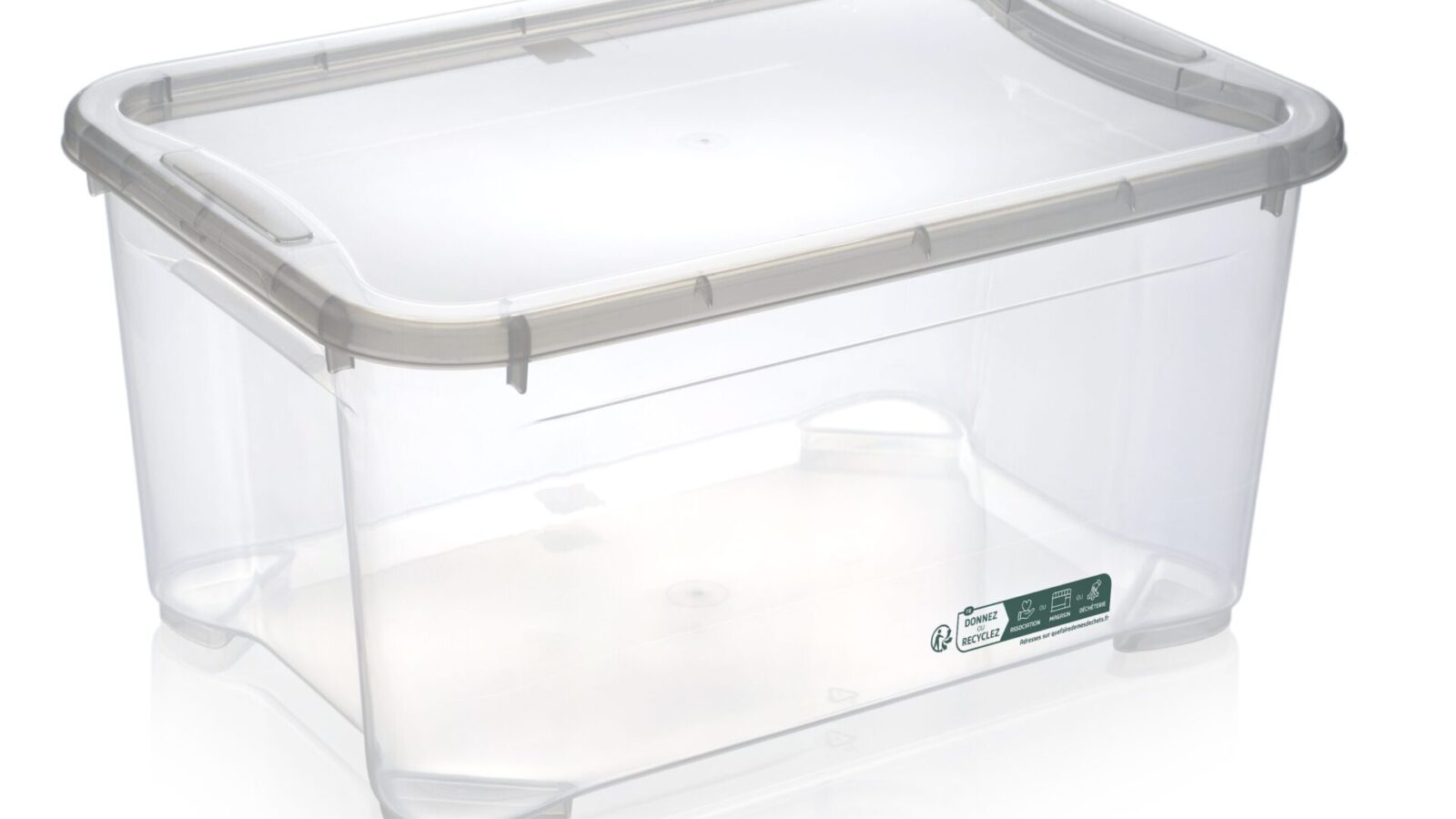
Position TRIMAN as close as possible to the product!
Whenever possible, use TRIMAN signage directly on the object.
- As you know, customers don't keep their packaging indefinitely.
- An incentive to reuse that's still visible under a tabletop is another chance to extend its useful life!
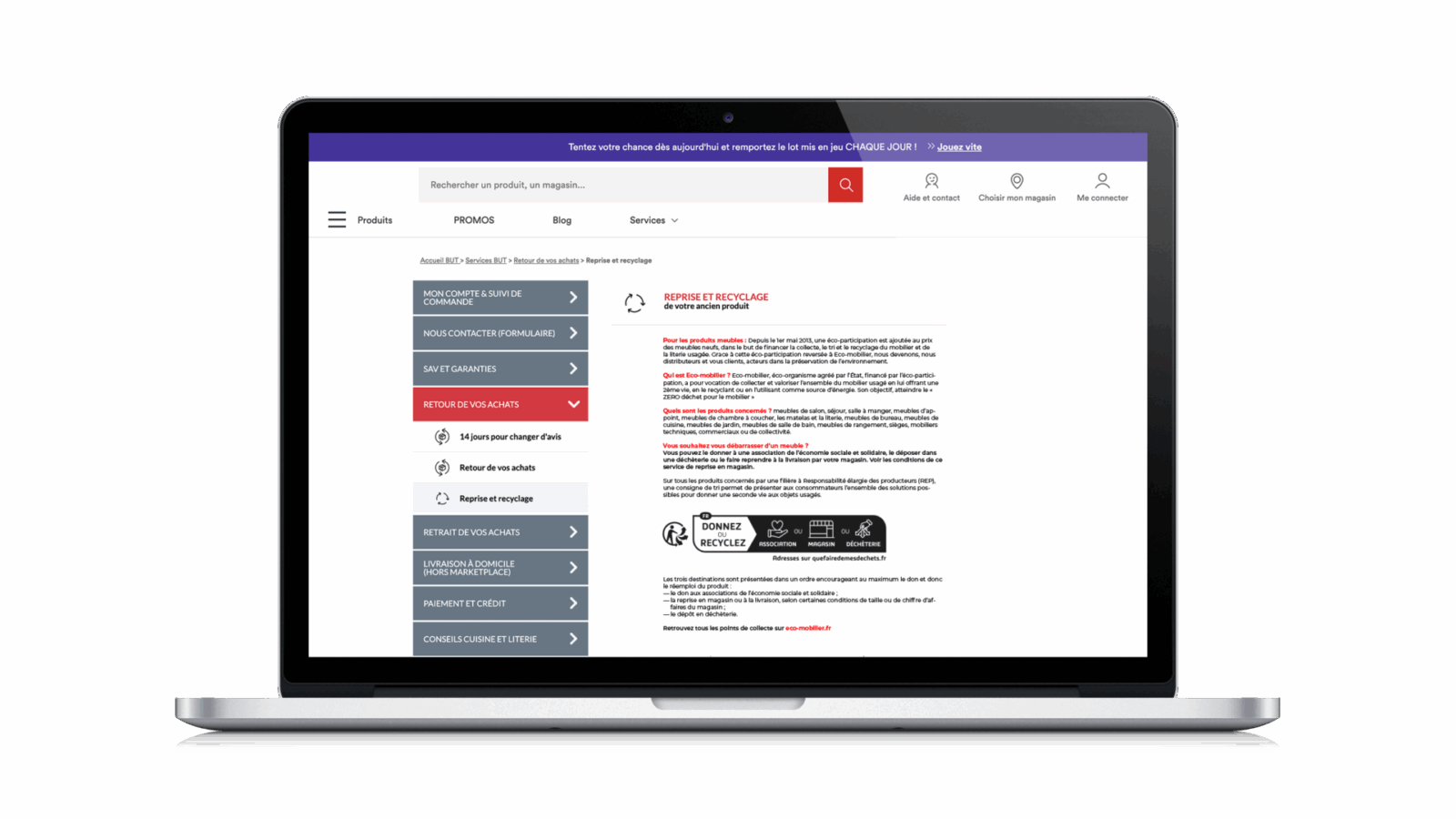
What if there's no room?
Whatever the size of the product, TRIMAN must be displayed.
However, solutions have been found for smaller items, such as gift toys or small DIY tools like screwdrivers.
- Surface area between 10 cm2 and 20 cm2: the TRIMAN can be dematerialized but must still be affixed.
- Surface less than 10 cm2: TRIMAN can be dematerialized
- For cylindrical or spherical products or packaging: the 10 and 20 cm2 surface areas are increased to 20 and 40 cm2.
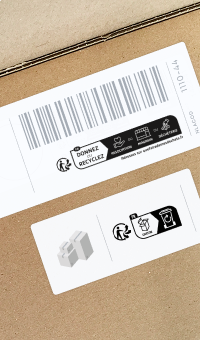
What if a product is made up of elements with several sorting rules?
Whatever the size of the product, TRIMAN signage is compulsory.
However, solutions are available for smaller items, such as gift toys, or small DIY tools like screwdrivers.
- Each sorting sign is specific to a type of product.
- If you wish to affix your product's label to the packaging, don't forget to also affix the label specific to the packaging.
What's the timetable for TRIMAN?
TRIMAN signs have been displayed since 2015, and have now been extended to covered objects or products from new extended producer responsibility channels.
Furniture, bedding, toys, DIY and garden items and building products and materials must display a TRIMAN sorting notice.

Furnishings
For furnishing products (excluding textile decorative items), the regulations apply from December 15, 2022.

Textile decoration
For textile decorative items, the regulations apply from August 25, 2023.


DIY and garden products
Toy products
For toys, DIY supplies, and gardening supplies, the regulations have been in effect since December 6, 2023.

Building products and materials
For building products and materials,
regulations apply from September 28, 2024.